
Problem (Pain point)
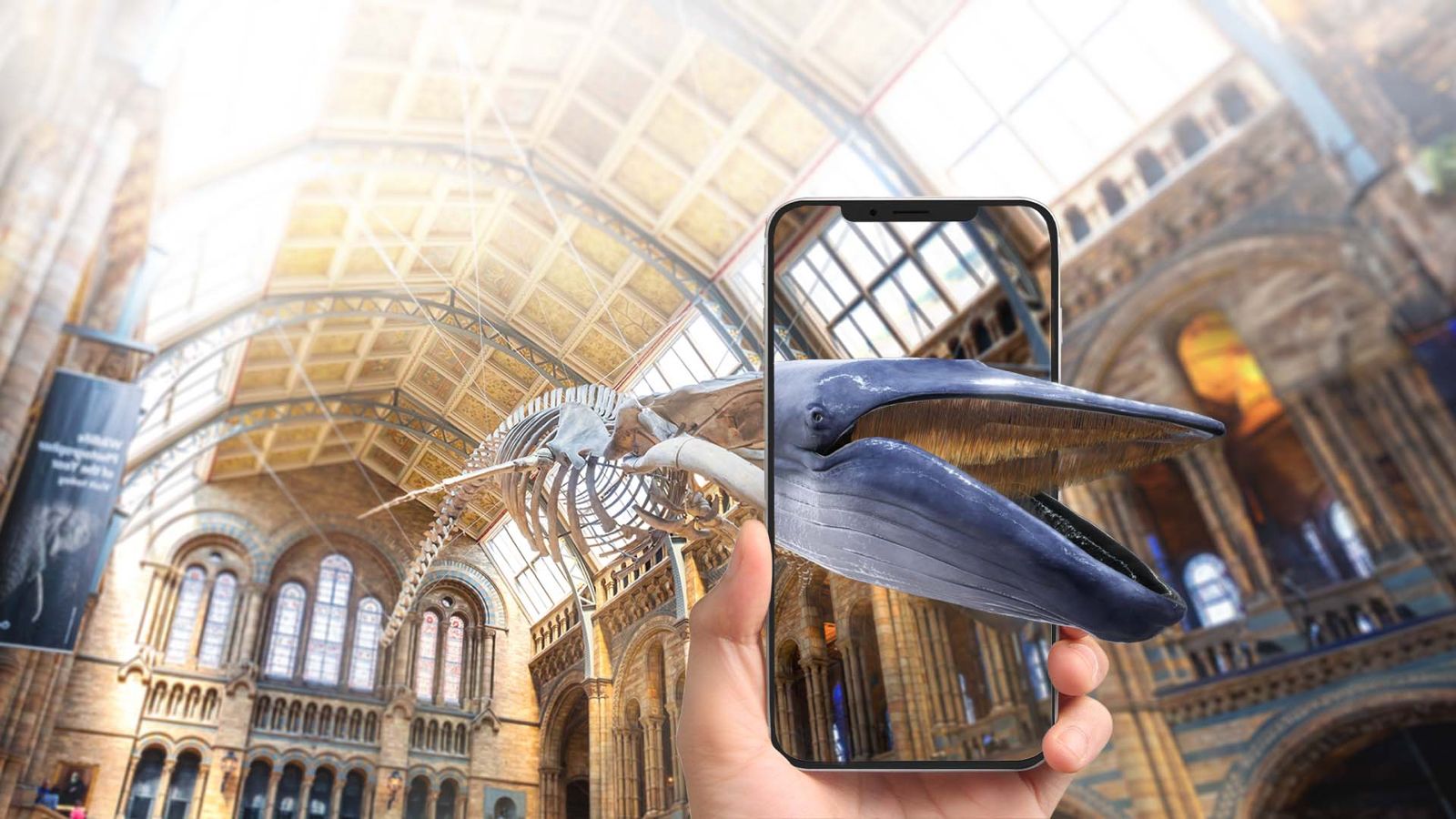
Pain points you've identified regarding traditional museums and historical sites
1. Difficulty Understanding Context and Significance:
Lack of Contextual Information: Exhibits may not provide sufficient background information or historical context, making it difficult for visitors to understand the significance of the artifacts.
Complex Language and Jargon: Descriptions may use academic language or specialized terminology that is inaccessible to the general public.
Limited Storytelling: Exhibits may focus on presenting facts rather than telling compelling stories that resonate with visitors on an emotional level.
Difficulty Visualizing the Past: It can be challenging for visitors to imagine how artifacts were used in
2. Static and Unengaging Presentation:
Lack of Interactivity: Many exhibits consist of static displays with text-heavy descriptions. This passive learning experience can be dull, especially for younger audiences accustomed to interactive digital media.
Limited Sensory Engagement: Traditional displays often rely primarily on visual information. They may lack tactile, auditory, or olfactory elements that could create a more immersive and memorable experience.
One-Size-Fits-All Approach: Exhibits are often designed for a general audience, failing to cater to different learning styles or levels of prior knowledge. This can leave some visitors feeling overwhelmed or underwhelmed.
Physical Barriers: Some artifacts may be behind glass or roped off, preventing close examination and a sense of connection. their original context or to visualize historical events.
Impact on Younger Generations:
These issues are particularly relevant for younger generations who have grown up with digital technology and interactive experiences. They may find traditional museum visits boring and irrelevant, leading to a disconnect with cultural heritage.
Long-term consequences, such as:
- Decreased Interest in History and Culture: If young people don't find museums engaging, they may lose interest in learning about the past.
- Weakened Sense of Cultural Identity: A lack of connection with cultural heritage can weaken a sense of belonging and cultural identity.
- Reduced Support for Cultural Institutions: If museums and historical sites fail to attract younger audiences, they may face declining attendance and funding in the future.